What makes the Southern Hemisphere Stand Out

Meet the Southern Sky

Explore a Universe Hidden from Much of the World
The Wonders of the Southern Night Sky

Few places on Earth offer skies as pristine as those above South Africa’s Klein Karoo. Far from city lights, the heavens come alive with countless stars, glowing nebulae, ancient star clusters and neighbouring galaxies that remain invisible to much of the Northern Hemisphere.

During your Night Sky Tours experience, you’ll not only observe these remarkable celestial treasures through our premium telescopes, but also discover the stories behind them—from Greek mythology and early navigation to the rich astronomical traditions of the Khoisan people, who have looked to these same skies for thousands of years.

The Southern Cross

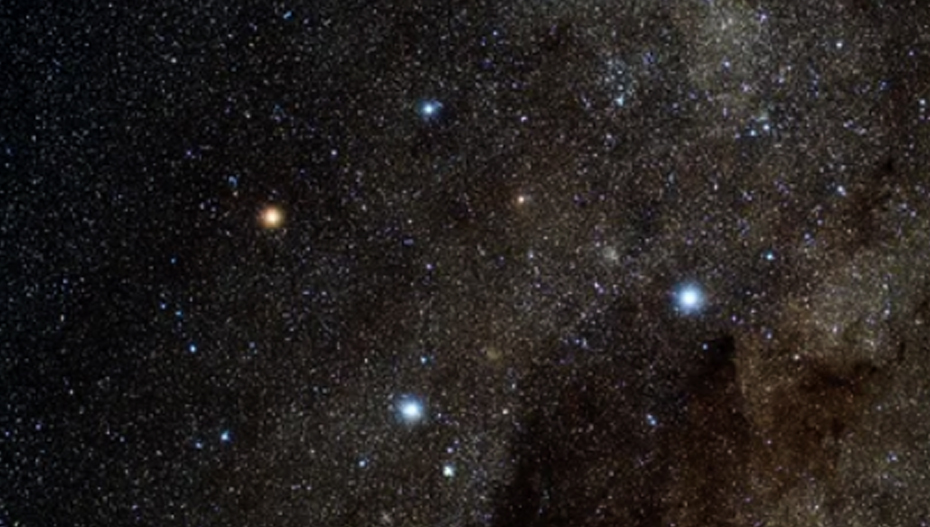
The Southern Cross, or Crux, is the smallest of the 88 recognised constellations, yet it is undoubtedly the most famous constellation in the Southern Hemisphere. For centuries it has guided sailors, explorers and travellers across the southern oceans, helping them find true south long before the invention of GPS.

Visible throughout much of the year from South Africa, the Southern Cross is surrounded by spectacular star fields and some of the finest deep-sky objects in the Milky Way, making it one of the highlights of every Night Sky Tours experience.

Through our laser-guided tour you’ll learn how to locate true south using the Southern Cross before exploring nearby treasures including the Jewel Box Cluster and the dark Coalsack Nebula.
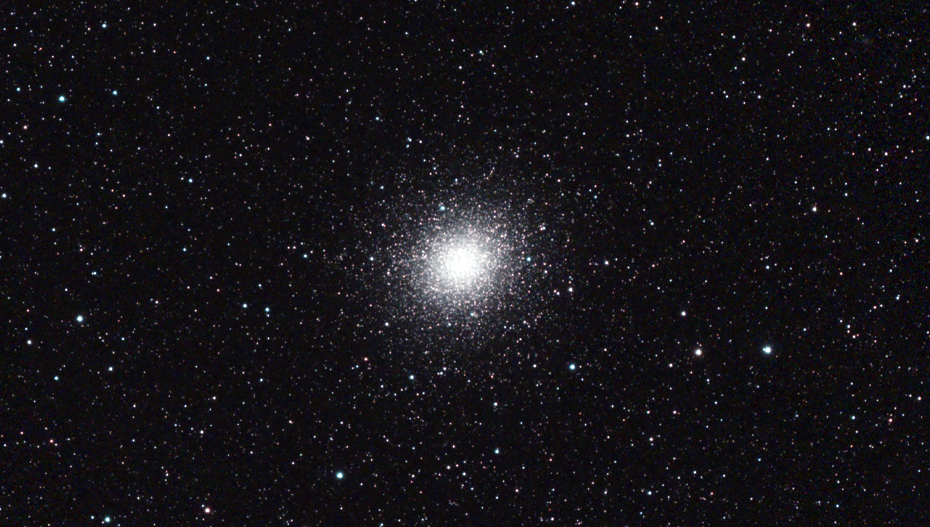
Omega Centauri

Omega Centauri is the largest and brightest globular cluster visible from Earth. What appears as a faint fuzzy star to the naked eye transforms through our 12-inch Meade telescope into an incredible sphere containing millions of ancient suns packed tightly together.

Many astronomers believe this remarkable object is actually the surviving core of an ancient dwarf galaxy that merged with the Milky Way billions of years ago.

Guests often describe Omega Centauri as one of the highlights of the evening, with thousands of stars appearing to sparkle like diamonds suspended in space.

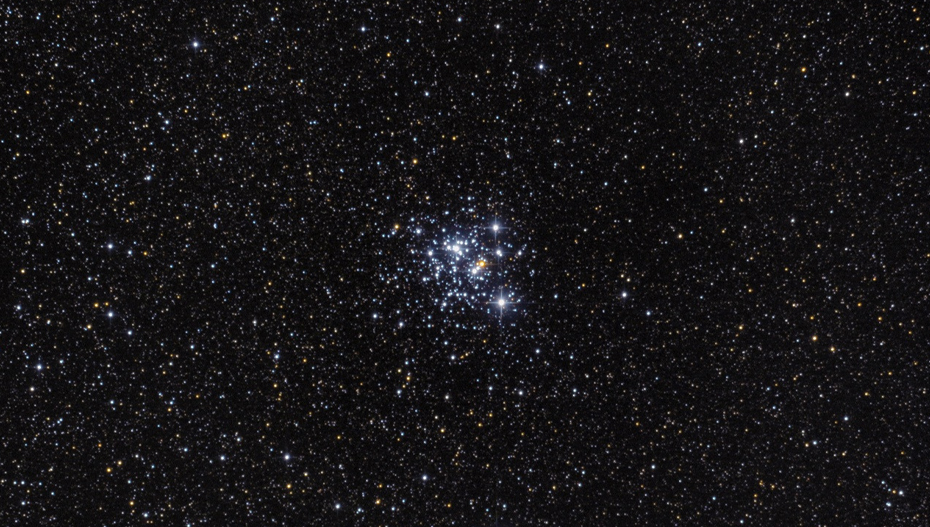
The Jewel Box

Located beside the Southern Cross, the Jewel Box Cluster is one of the most colourful star clusters in the night sky. Brilliant blue stars contrast beautifully with several ruby-red supergiants, creating the appearance of sparkling gemstones scattered across black velvet.

Through our telescope the contrasting colours become immediately obvious, making the Jewel Box one of the most photographed objects during our tours.

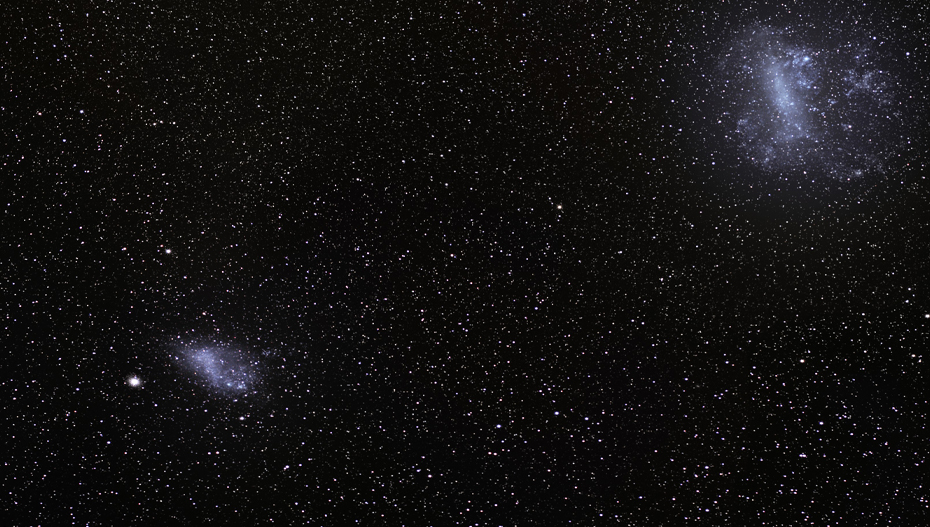
The Magellanic Clouds

The Magellanic Clouds are two dwarf galaxies orbiting our own Milky Way and are visible to the naked eye from South Africa’s dark skies.

Under dark Karoo skies these galaxies appear as glowing islands suspended in space, revealing a sight unavailable to most Northern Hemisphere observers.

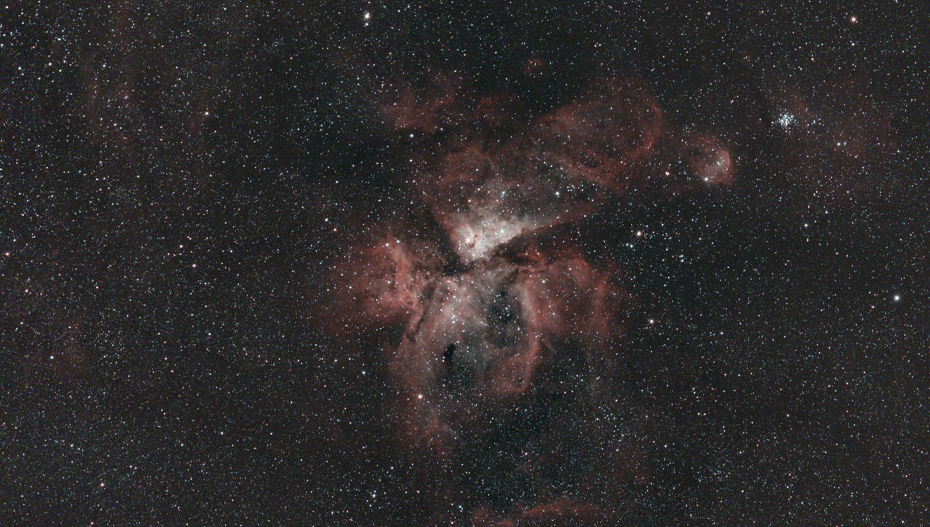
Carina Nebula

One of the largest and brightest emission nebulae in the Milky Way, the Carina Nebula is an enormous stellar nursery where thousands of new stars are forming.

Using our Seestar S30 Pro smart telescope, glowing clouds of hydrogen and intricate dust lanes become vividly visible in full colour.

Coal Sack Nebula

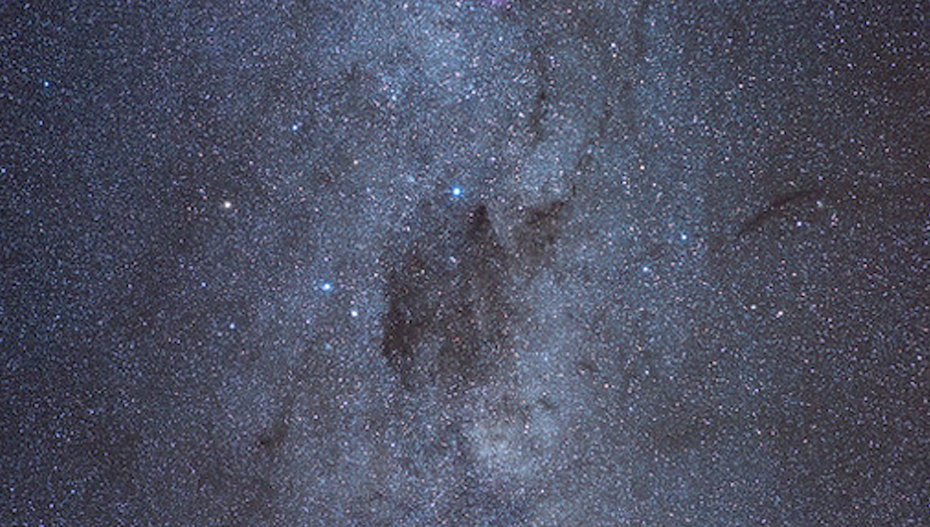
The Coalsack Nebula is one of the finest examples of a dark nebula, where dense clouds of dust block the light from countless stars behind them.

Once identified, the Coalsack becomes unmistakable—a striking dark silhouette against the glowing river of the Milky Way, revealing that space is filled not only with stars, but also with the vast clouds from which future stars will one day be born.

tarantula nebula

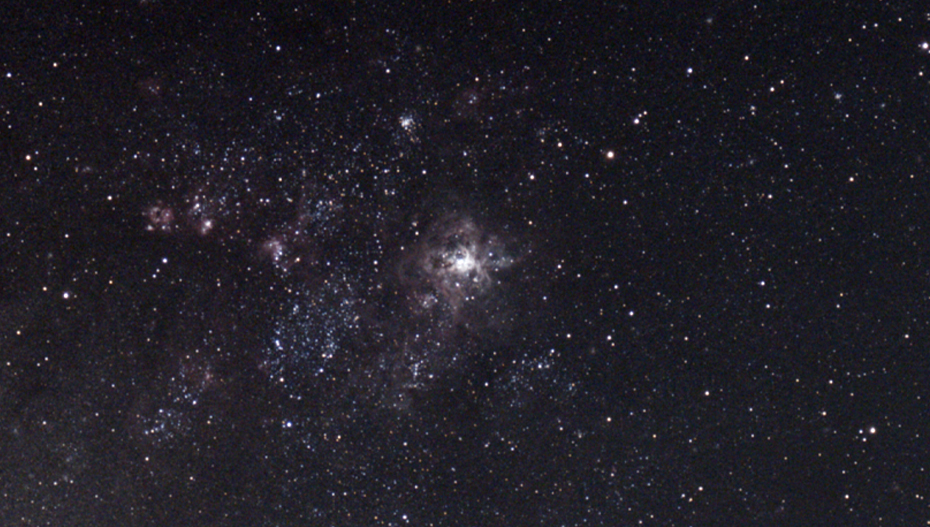
The Tarantula Nebula is the largest known star-forming region in our Local Group of galaxies and one of the Universe’s most active stellar nurseries.

Although distant, this remarkable nebula can be revealed through electronically assisted astronomy, showcasing vivid detail impossible to appreciate with the naked eye alone.